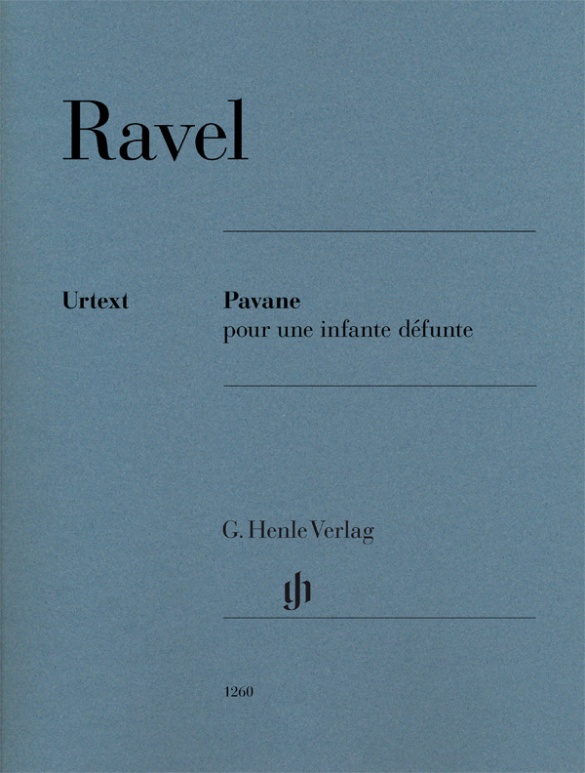
Maurice Ravel
Pavane pour une infante défunte
According to Ravel himself, the strange title of the little piano piece composed in 1899, “Pavane for a dead princess”, should not be ascribed too much importance. He chose it mainly because he liked the alliteration it contained. At the same time he did, however, agree that the music evokes “a pavane that a little princess once might have danced at the Spanish court”. Following its premiere in 1902 the simple but effective piece gained unparalleled popularity, not least reflected in the numerous arrangements made of it, one of which, for small orchestra, was by Ravel himself. We are publishing the work in its original version as a fitting addition to our works by Ravel.
作曲家について
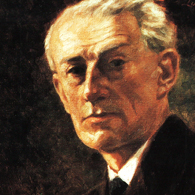
Maurice Ravel
Together with Satie and Debussy, Ravel numbers among the innovators who had a falling out with academic education and created their own avant-garde tonal languages – inspired, in Ravel’s case, by Russian and Spanish music, but also by exoticism – without abandoning tonality. This master of orchestration begins with piano works, which he orchestrates; songs with piano and piano compositions exist on an equal footing in orchestral versions.
| 1875 | Born in Ciboure on March 7; the family moves to Paris that same year. |
| 1882 | Lessons in piano, theory, and composition. |
| 1889 | Beginning of his studies at the Conservatoire de Paris, from which he will never graduate.around 1893 Influence of Chabrier and Satie. |
| 1901 | “Jeux d’eau” for piano, in a new “Impressionist” tonal language, as is “Miroirs” (1904–05). |
| 1903 | “Shéhérazade” for voice and piano/orchestral accompaniment with orientalist tonal elements. |
| 1905 | Scandal surrounding Ravel’s third application for the Prix de Rome. |
| 1907 | Premiere of the “Histoires naturelles” after Jules Renard provokes astonishment in audiences and critics. |
| 1907–08 | Rhapsodie espagnole for orchestra. |
| 1908/10 | “Ma mère l’oye” (“Mother Goose”) for piano, four-hands, as a ballet in 1911. |
| 1911 | Premiere in Paris of his opera “L’Heure espagnole.” |
| 1911/12 | “Valses nobles et sentimentales” for piano/orchestra. Premiere of the ballet “Daphnis et Chloé” in 1912. |
| 1914/19 | “Le tombeau de Couperin” for piano/orchestra anticipates the coming neoclassicism. |
| from 1920 | Many concert tours through Europe and the United States. |
| 1925 | Premiere of his opera “L’Enfant et les sortilèges.” |
| 1928 | Conferral of an honorary doctorate from Oxford University. “Bolero” for orchestra. |
| 1929–31 | Piano Concerto in G major with elements of jazz. |
| 1937 | Death in Paris on December 28. |
校訂者や運指担当者について
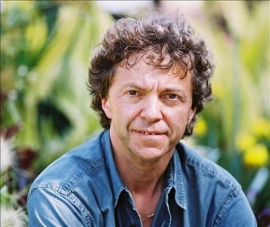
Pascal Rogé (ピアノの運指)
製品安全に関する情報
G. Henle Verlag
製品の製造元に関する情報はこちらでご覧いただけます。G. Henle Verlag
Forstenrieder Allee 122
81476 München
info@henle.de
www.henle.com
おすすめ
autogenerated_cross_selling